
Different Types of Electric Receptacles: A Complete Guide
By:Admin
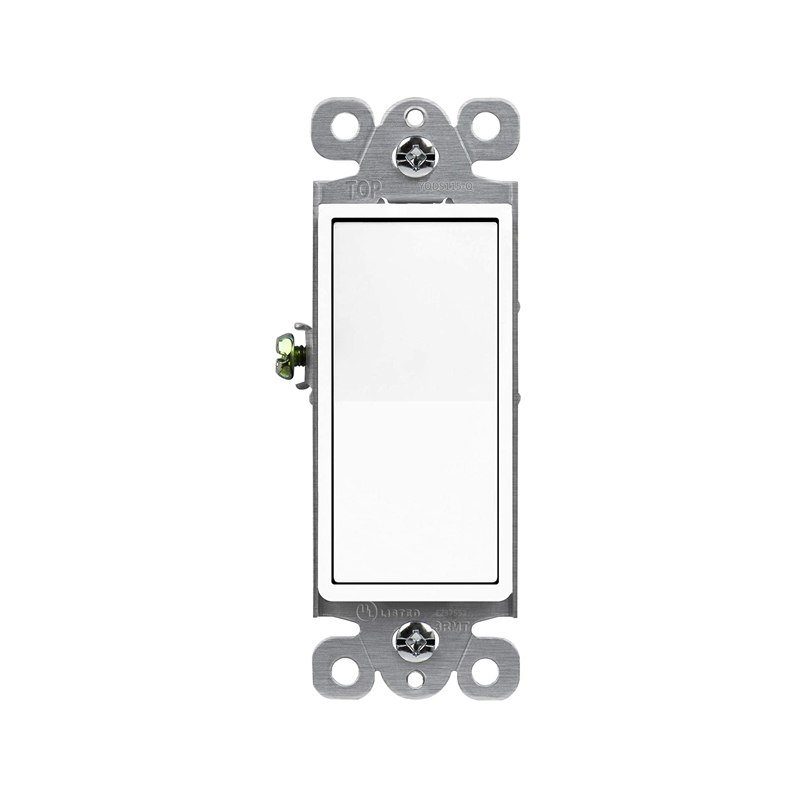
In today’s rapidly evolving electrical landscape, understanding the various types of electric receptacles is essential for homeowners, electricians, and industry professionals alike. Electric receptacles serve as the vital interface between electrical power sources and devices, ensuring safe and reliable connectivity. With numerous designs tailored to different applications, knowing the characteristics and uses of each type can greatly enhance safety, efficiency, and compatibility in any electrical installation.
**Key Types of Electric Receptacles**
Electric receptacles come in diverse forms to accommodate varying voltage levels, current ratings, and safety features. The most common types found in residential, commercial, and industrial settings include standard duplex receptacles, GFCI (Ground Fault Circuit Interrupter) outlets, AFCI (Arc Fault Circuit Interrupter) outlets, tamper-resistant receptacles, and weather-resistant models.
- **Standard Duplex Receptacles:** These are the most frequently used receptacles in homes, designed to provide 110-120 volts power primarily for lighting and small appliances. Their simple design supports two-pole plugs, making them compatible with a broad range of devices.
- **GFCI Receptacles:** Ground Fault Circuit Interrupter outlets are a crucial safety enhancement for areas at risk of electrical shock, such as kitchens, bathrooms, and outdoor locations. They monitor electrical current flow and quickly shut off power if an imbalance is detected, reducing the risk of fatal electrocution.
- **AFCI Receptacles:** Arc Fault Circuit Interrupter outlets help prevent electrical fires by detecting unintended arcing conditions within wiring. Required in many modern residential codes for bedrooms and living areas, they add an important layer of fire protection.
- **Tamper-Resistant Receptacles:** Designed with integrated shutters that block foreign objects from being inserted, these receptacles boost safety in homes with children, complying with safety regulations to reduce electrical injury hazards.
- **Weather-Resistant Receptacles:** Made with durable materials and sealed designs, these outlets withstand harsh outdoor conditions, ensuring longevity and consistent performance in garages, patios, and exterior walls.
**Technological Advancements and Industry Trends**
Recent innovations have introduced smart receptacles that integrate connectivity features, allowing for remote control and monitoring, as well as energy management capabilities. Enhanced durability, improved safety standards, and customizability are shaping the future of receptacle design, supporting the increasing demands of modern electrical systems.
**Company Introduction**
Founded with a commitment to quality and innovation, the company specializes in manufacturing and distributing a comprehensive range of electrical components, including various types of electric receptacles suited for diverse environments. With a focus on research and development, the company ensures compliance with international standards and incorporates latest technologies to meet evolving market needs. Their extensive product portfolio spans from basic outlets to advanced safety devices, serving residential, commercial, and industrial sectors nationwide.
Dedicated to customer satisfaction, the company offers technical support and customized solutions, assisting clients in selecting the appropriate receptacle types for their specific applications. Their robust supply chain and quality control processes guarantee reliable performance and safety, contributing to enhanced electrical infrastructure and user confidence.
**Applications and Safety Considerations**
Appropriate selection and installation of electric receptacles play a crucial role in electrical safety. For instance, GFCI and AFCI receptacles must be installed in locations mandated by electrical codes to prevent shock and fire hazards. Tamper-resistant outlets are essential in households with young children, while weather-resistant models maintain safety in outdoor spaces exposed to moisture.
Proper maintenance and regular inspection are equally important. Receptacles showing signs of wear, damage, or malfunction should be replaced promptly to avoid potential risks. Professional installation ensures that receptacles are grounded correctly and compatible with the connected devices, optimizing functionality and safety.
**Future Outlook**
As smart homes and automated systems continue to grow in popularity, electric receptacles will become increasingly integrated with digital technologies. Manufacturers are focusing on developing receptacles with energy monitoring, surge protection, and wireless control features, providing users with enhanced convenience and operational efficiency.
The push towards sustainable and energy-efficient solutions also influences receptacle design, encouraging the use of materials and technologies that minimize environmental impact while maximizing durability and performance.
**Conclusion**
Electric receptacles are fundamental components in any electrical wiring system, with varied types tailored to meet different safety and functional requirements. Understanding the distinctions among standard, GFCI, AFCI, tamper-resistant, and weather-resistant receptacles is essential for safe and effective electrical installations. Supported by manufacturers committed to innovation and quality, these devices continue to evolve, aligning with technological advancements and regulatory standards.
Whether upgrading home electrical outlets or designing large-scale industrial systems, selecting the right type of receptacle ensures safety, compliance, and optimal performance. As electrical demands grow and technologies advance, staying informed about electric receptacle types will remain crucial for professionals and consumers alike.