
- Home
- Blog
- Sure! Please provide the original title or the news content related to the USB-C outlet plug so I can help rewrite the SEO title without the brand name.
Sure! Please provide the original title or the news content related to the USB-C outlet plug so I can help rewrite the SEO title without the brand name.
By:Admin
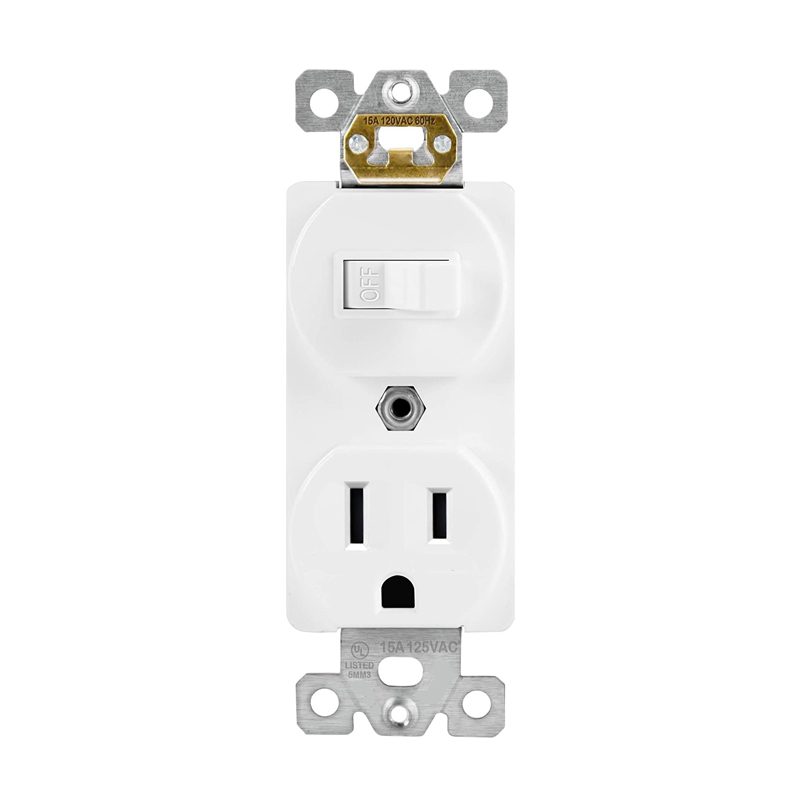
In today’s fast-paced digital era, efficient and versatile power solutions have become indispensable. The USB-C outlet plug—a cutting-edge device that seamlessly integrates USB-C charging capabilities into traditional power outlets—is rapidly gaining traction across residential, commercial, and industrial sectors. This innovation is transforming how consumers and businesses approach power access, offering enhanced convenience, speed, and adaptability that meet the evolving demands of modern electronic devices.
**The Growing Demand for USB-C Technology**
USB-C technology has become the universal standard for charging and data transfer, hailed for its reversible connector design, high power delivery capacity, and rapid data speeds. Unlike older USB types, USB-C supports faster charging and can power a wide range of devices, from smartphones and tablets to laptops and even some display monitors.
With an increasing number of USB-C-powered devices entering the marketplace, the traditional power outlet infrastructure has revealed its limitations. Standard electrical outlets require the use of bulky adapters or separate charging stations, which can clutter spaces and reduce charging efficiency. The integration of USB-C ports directly into power outlets addresses these challenges by providing a sleek, space-saving solution that caters to multiple devices simultaneously without compromising aesthetics or functionality.
**Innovative Design Meets Practical Functionality**
USB-C outlet plugs combine the familiarity of standard power outlets with the advanced capabilities of USB-C ports. These innovative outlets typically feature one or more USB-C ports alongside traditional AC sockets, enabling users to charge USB-C enabled devices directly while still powering conventional electronics.
Designed with user convenience in mind, these outlets support fast charging protocols such as Power Delivery (PD), ensuring devices reach optimal battery levels quickly and safely. Additionally, many models incorporate surge protection mechanisms to safeguard sensitive electronics from voltage spikes, enhancing device longevity and user peace of mind.
The installation process for USB-C outlets remains straightforward, often replacing existing outlets without the need for extensive rewiring or renovation. This simplicity encourages widespread adoption in a variety of environments, from new construction projects to retrofit upgrades in existing homes and workplaces.
**Applications Across Diverse Sectors**
The versatility of USB-C outlet plugs extends beyond residential use. In office settings, these outlets facilitate clutter-free workspaces by reducing reliance on multiple adapters and charging cords, which can create tangled messes and obstruct desk areas. Meeting rooms, conference halls, and coworking spaces benefit from easy access to high-speed charging, supporting longer, more productive sessions without interruptions due to depleted batteries.
Educational institutions are also embracing USB-C integrated outlets to accommodate the growing use of laptops and tablets in classrooms. These devices require frequent charging, and USB-C outlets ensure a reliable, standardized charging solution for diverse student and faculty devices.
In hospitality and retail sectors, USB-C outlets enhance guest and customer experiences by offering convenient charging options that align with the latest technology trends. Airports, hotels, cafes, and shopping centers incorporating these outlets demonstrate a commitment to modern amenities that attract tech-savvy patrons.
**Environmental and Economic Advantages**
Beyond user convenience, USB-C outlet plugs contribute to sustainability efforts by minimizing e-waste. Traditional charging adapters, often bundled with devices, can accumulate and become obsolete quickly as technology evolves. By embedding USB-C ports into outlets, consumers reduce the need for multiple individual chargers, promoting a more streamlined and eco-friendly approach to power management.
From an economic perspective, the adoption of USB-C outlets can lower overall energy consumption through advanced charging protocols that optimize power delivery, reducing wasted energy during the charging process. Businesses and homeowners alike stand to benefit from long-term cost savings linked to increased energy efficiency and reduced reliance on external adapters.
**Looking Ahead: The Future of Power Solutions**
As USB-C technology continues to advance, the capabilities of USB-C outlet plugs are expected to expand accordingly. Future models may incorporate additional features such as wireless charging pads, smart home integration, and enhanced safety certifications. Integration with IoT (Internet of Things) systems could enable users to monitor and control power usage remotely, further elevating convenience and energy management.
Furthermore, as electric vehicles (EVs) gain widespread adoption, power outlets capable of supporting high-capacity USB-C charging could play a crucial role in residential and commercial EV charging infrastructure, bridging the gap between personal electronics and automotive power needs.
**Conclusion**
The USB-C outlet plug represents a significant leap forward in power accessibility and device compatibility. Its ability to combine standard electrical functionality with the cutting-edge advantages of USB-C charging marks a transformative shift in how we interact with power sources. By facilitating faster, safer, and more efficient charging, USB-C integrated outlets are poised to become a standard feature in homes, offices, and public spaces worldwide.
Embracing this innovative technology not only improves user experience but also aligns with broader sustainability goals and economic efficiencies. As adoption increases, the USB-C outlet plug will undoubtedly play a central role in shaping the future landscape of connectivity and power solutions.